US Tariffs and Cheap Imports – South African sugar farmers are facing mounting challenges as US tariffs and the influx of cheap imported sugar deliver a “double whammy” to the local industry. The tariffs imposed by the United States have limited export opportunities for South African sugar producers, while simultaneously, the domestic market is being flooded with low-cost sugar from international suppliers. This combination is putting significant pressure on profit margins, threatening the sustainability of many sugar farms. For years, South African sugar producers have relied on both local and international markets to maintain stable revenues, but the current trade environment is disrupting this balance. Industry experts warn that without timely government intervention and strategic market diversification, smaller sugar farms could struggle to survive, affecting employment and the broader agricultural economy. The situation also raises concerns about food security, as sugar remains a staple commodity with a strong domestic demand. For more information on sugar trade and tariffs, visit USDA Foreign Agricultural Service.
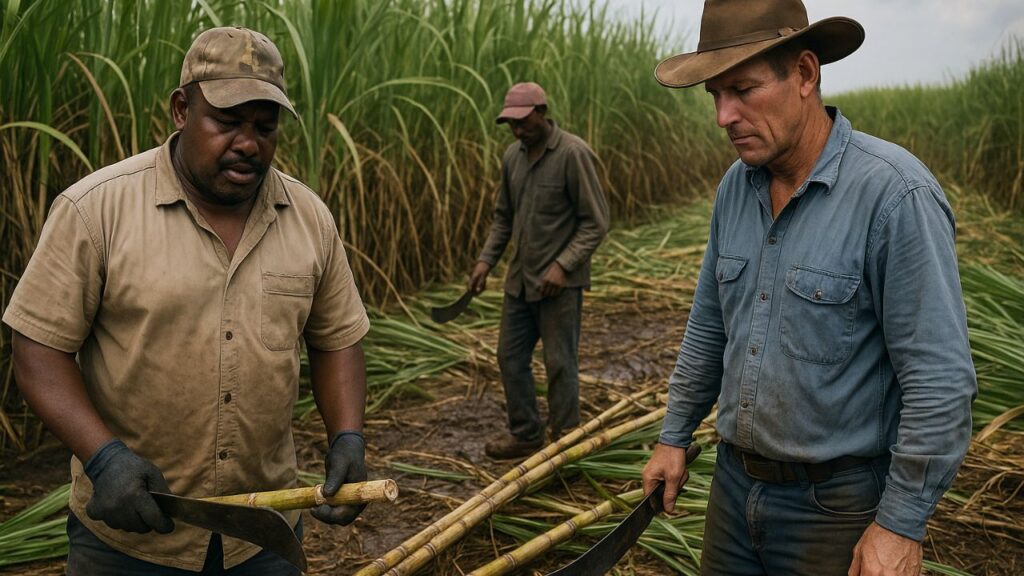

Impact of US Tariffs on South African Sugar Exports
The imposition of US tariffs has had a direct impact on South Africa’s sugar exports, restricting access to a significant international market and reducing profitability for local farmers. Historically, the United States has been a major importer of raw and refined sugar from South Africa, providing stable demand and competitive pricing. With tariffs in place, South African producers face higher costs and reduced competitiveness compared to other exporting countries that do not encounter such trade barriers. The tariffs also create uncertainty for long-term export contracts, complicating financial planning and investment decisions for sugar farmers. This pressure on export revenues exacerbates existing operational costs, such as labor, equipment maintenance, and energy expenses. Local producers are now forced to explore alternative markets or increase efficiency to remain viable. For insights on global sugar trade dynamics, see International Sugar Trade Data.
 South African Crypto Integration Boost: Alchemy Pay Adds Rand Support for Direct Bank Transfers
The Role of Cheap Imports in the Domestic Market
In addition to tariffs affecting exports, South African sugar farmers are grappling with an influx of cheap sugar imports, primarily from countries with lower production costs. These imports create significant competition in the local market, driving down prices and reducing revenue for domestic producers. Small and medium-sized sugar farms are particularly vulnerable, as they have limited ability to absorb losses or negotiate favorable contracts with retailers. The price pressure not only affects profitability but also threatens long-term sustainability, discouraging investment in modern farming technologies and infrastructure. Retailers and wholesalers benefit from lower costs, but producers struggle to maintain quality standards and operational efficiency under these financial constraints. The combination of import pressures and limited export options is forcing the industry to rethink its pricing strategies and supply chain management. For more on international sugar import trends, visit International Cocoa & Sugar Organization.

Economic Consequences for Local Communities
The challenges faced by South African sugar farmers have far-reaching economic consequences, particularly for rural communities dependent on agriculture. Sugar farming is a major source of employment, providing jobs in planting, harvesting, processing, and logistics. As profit margins shrink, farms may be forced to downsize or close, resulting in job losses and reduced income for local families. This economic ripple effect can lead to decreased spending power, affecting local businesses and public services. Additionally, reduced investment in farming infrastructure limits technological advancement, affecting productivity and the future competitiveness of the industry. Policymakers and industry stakeholders emphasize the need for targeted support, such as subsidies, export assistance, and trade negotiations, to stabilize the sector and protect the livelihoods of thousands of South Africans. For more information on agricultural economics in South Africa, see South Africa Info – Agriculture.

Strategies for Mitigating Industry Challenges
To address the dual pressures of US tariffs and cheap imports, South African sugar farmers are exploring strategies to mitigate risks and ensure long-term sustainability. Diversifying export markets beyond the United States is one approach, targeting regions such as the Middle East, Africa, and Asia where demand for quality sugar remains strong. Additionally, investment in high-efficiency farming technologies, improved irrigation systems, and mechanized harvesting can reduce operational costs and increase yield. Collaboration with government bodies for supportive policies, including tariff negotiations, trade agreements, and protective measures against unfair imports, is also crucial. Furthermore, fostering local consumer awareness about the importance of supporting South African sugar can boost domestic demand and help stabilize prices. These combined strategies aim to protect the industry, maintain employment, and secure the economic contribution of sugar farming for the nation. For insights on sustainable sugar farming practices, visit FAO – Food and Agriculture Organization.