
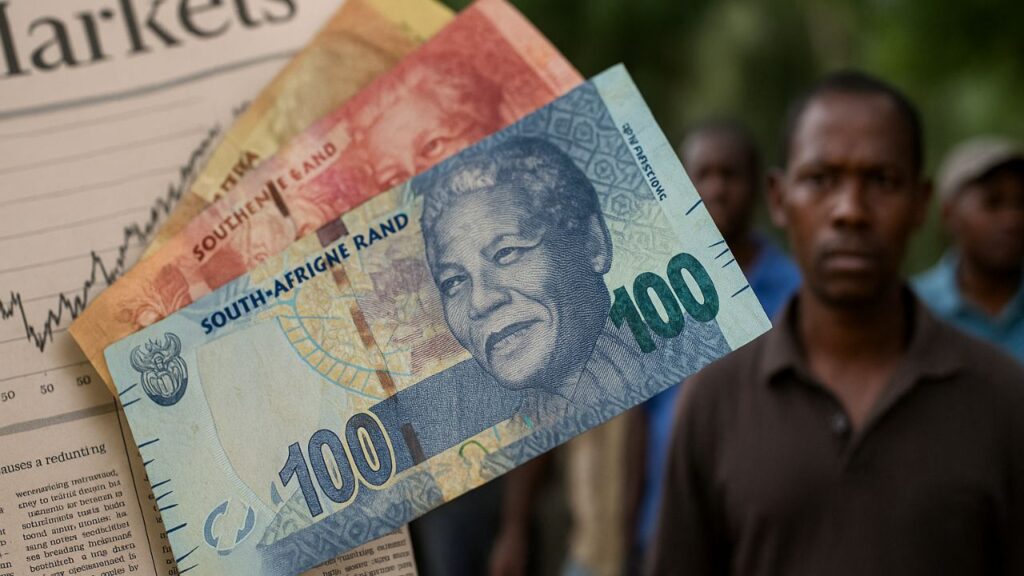
GDP Data Release – The South African rand maintained relative stability on international markets as investors awaited the upcoming release of Q2 GDP data. Analysts note that the currency’s steadiness reflects cautious optimism, with traders seeking guidance on the country’s economic growth trajectory after a period of fluctuating commodity prices and global economic uncertainty. According to Reuters, currency movements often respond not only to domestic economic indicators but also to international events, such as shifts in the US dollar and Chinese economic reports, which influence emerging market currencies like the rand. Market participants are particularly focused on sectors such as mining, manufacturing, and services, which historically contribute heavily to GDP figures. The rand’s performance in this period is being closely watched by importers, exporters, and investors, all of whom rely on exchange rate stability for financial planning and risk management. The upcoming GDP report will likely provide a clearer picture of South Africa’s economic health and the rand’s future trajectory.

Investor Sentiment and Rand Stability
Investor sentiment has played a significant role in the rand’s recent stability, as markets await more concrete economic data. According to Bloomberg, investor behavior is heavily influenced by expectations surrounding GDP growth, inflation trends, and central bank policy. South Africa’s Reserve Bank has signaled cautious monitoring of interest rates and inflation, which has helped maintain confidence in the rand. Analysts suggest that stable investor sentiment encourages foreign investment inflows, supporting the currency in the short term. Additionally, economic forecasts for sectors such as mining, agriculture, and finance contribute to the broader market outlook, as these industries are vital to GDP growth. This measured optimism reflects a careful balance between risk and opportunity, highlighting the interconnected nature of domestic economic performance and global market perceptions in determining currency stability.
 South African Crypto Integration Boost: Alchemy Pay Adds Rand Support for Direct Bank Transfers
Impact of Global Economic Trends on the Rand
Global economic trends also influence the South African rand, with currency values sensitive to international events and market dynamics. According to CNBC, fluctuations in major currencies like the US dollar and the euro, along with commodity price movements, directly affect emerging market currencies. South Africa’s export-driven economy is particularly vulnerable to these factors, as products like gold, platinum, and other minerals constitute a significant portion of foreign exchange earnings. Investors monitor these indicators closely, as a strong global demand for commodities can support the rand, while decreased demand or economic uncertainty abroad may lead to volatility. Understanding these global linkages is crucial for businesses and policymakers, as they navigate exchange rate risk and plan economic strategies in a world where domestic and international factors are increasingly intertwined.

Market Strategies Ahead of GDP Release
Traders and financial institutions are adopting various strategies to mitigate risk ahead of the Q2 GDP data release. According to Financial Times, currency hedging, diversified investment portfolios, and real-time market analytics are key tools for managing exposure to potential volatility. Companies with significant import or export operations are adjusting pricing strategies and financial forecasts in anticipation of the report, while investors are considering both short-term and long-term impacts on asset valuations. The focus on GDP data reflects its importance in guiding monetary policy decisions, investment strategies, and economic planning. By closely monitoring market trends, institutional and retail participants alike aim to balance risk and opportunity in a volatile yet opportunity-rich environment.

Looking Ahead: Implications for the South African Economy
The upcoming Q2 GDP release will have wide-reaching implications for the South African economy, influencing policy decisions, business planning, and investor confidence. According to World Bank, accurate GDP data provides a comprehensive snapshot of economic activity, helping policymakers implement effective fiscal and monetary strategies. For the rand, the report could trigger either increased stability or heightened volatility, depending on whether growth exceeds or falls short of market expectations. Businesses, investors, and households alike are poised to adjust their financial decisions based on the outcomes, underlining the central role of GDP in shaping economic confidence. As South Africa navigates domestic challenges and global economic shifts, the rand’s performance ahead of key data releases highlights the critical intersection of macroeconomic indicators, market sentiment, and international financial trends.


