
Police Custody Reopened – The 1977 death of anti-apartheid leader Steve Biko in police custody remains one of South Africa’s most significant historical events, symbolizing the brutalities of apartheid-era repression. After 48 years, authorities have reopened the investigation, aiming to uncover new evidence and ensure justice for Biko and his family. According to BBC – Steve Biko, Biko, a prominent activist and founder of the Black Consciousness Movement, suffered fatal injuries while detained for his political activism, highlighting systemic human rights abuses under the apartheid regime. The reopened inquiry seeks to examine previously overlooked details, testimonies, and documents, reflecting South Africa’s ongoing commitment to reconciliation and historical accountability. This development has reignited discussions on state responsibility, accountability, and the importance of preserving historical memory. Institutions, civil society organizations, and legal experts are closely monitoring the process, emphasizing the broader significance of justice in addressing past injustices and reinforcing democratic principles in contemporary South Africa.
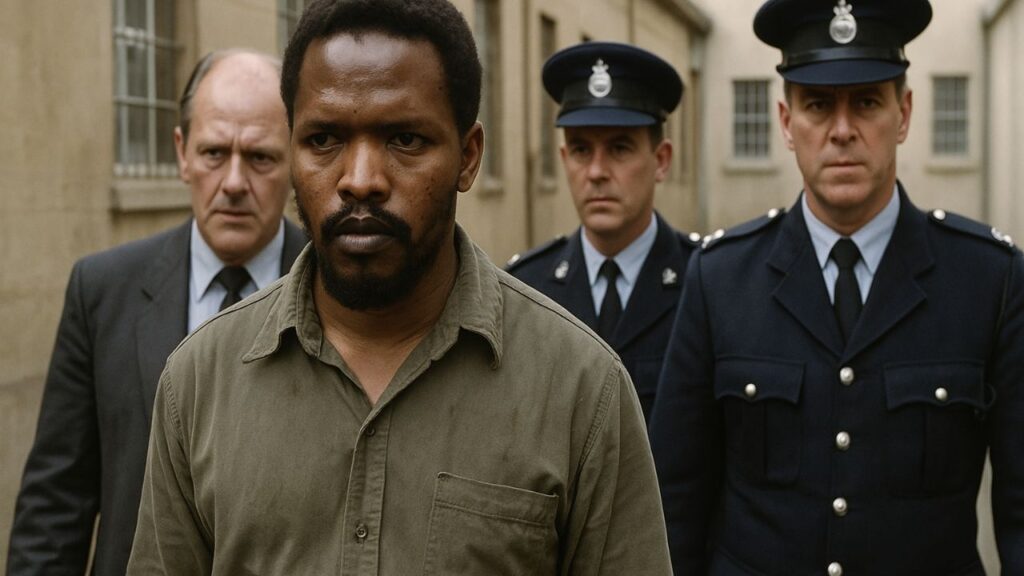

Historical Context of Steve Biko and the Black Consciousness Movement
Steve Biko’s leadership of the Black Consciousness Movement played a pivotal role in mobilizing young South Africans against apartheid oppression. The movement aimed to empower black citizens psychologically, socially, and politically, fostering pride, self-awareness, and resistance to systemic racial discrimination. According to South African History Online – Steve Biko, Biko advocated for nonviolent protest, community development, and education as tools for liberation. His detention by security forces in 1977 marked a tragic climax of state repression, drawing international condemnation and highlighting the extreme measures employed to suppress dissent. The reopening of his inquest provides a renewed opportunity to examine the circumstances surrounding his death, the role of police authorities, and the broader systemic violations of human rights during apartheid. This historical perspective underscores the enduring impact of Biko’s ideology and the ongoing struggle for justice and recognition of victims of political oppression.

Legal Framework and Reinvestigation Efforts
The decision to reopen the investigation into Steve Biko’s death is grounded in South Africa’s legal and constitutional commitment to human rights and justice. According to South African Human Rights Commission – Biko Inquest, the authorities are employing contemporary investigative techniques, including forensic analysis, witness interviews, and archival research, to uncover new information that was previously unavailable or ignored. Legal experts emphasize that this process is crucial not only for accountability but also for historical truth-telling, allowing the nation to confront the abuses of the past. Reinvestigation efforts aim to ensure that all relevant parties are held accountable while providing closure to Biko’s family and supporters. This approach exemplifies the role of a robust legal framework in addressing unresolved historical injustices and reinforces the importance of a transparent, evidence-based inquiry.

Public Response and National Reflection
The reopening of Steve Biko’s inquest has generated widespread public interest and reflection across South Africa. Citizens, activists, and media outlets have engaged in discussions regarding accountability, historical memory, and the ongoing fight against racial injustice. According to Al Jazeera – Biko Inquest Reopened, these conversations emphasize the need for the nation to reconcile with its past while promoting democratic values, human rights, and social equity. Commemorations, educational programs, and public forums have been organized to honor Biko’s legacy, highlighting the transformative power of civic engagement and historical awareness. By revisiting this case, South Africa reinforces the importance of acknowledging historical wrongs, fostering national healing, and encouraging active participation in the ongoing struggle for justice and equality.

International Perspective and Human Rights Implications
Steve Biko’s death resonated globally, drawing attention to apartheid’s human rights violations and shaping international advocacy for racial equality. Organizations such as Human Rights Watch and the United Nations have historically highlighted cases like Biko’s as emblematic of systemic oppression and the need for global accountability mechanisms. The reopened inquest signals to the international community that South Africa remains committed to addressing historical injustices, aligning with global human rights standards. Legal scholars argue that this reinvestigation has implications beyond national borders, setting a precedent for transitional justice and the pursuit of accountability in other post-conflict societies. By engaging with international human rights frameworks, South Africa demonstrates its commitment to truth, reconciliation, and the reinforcement of democratic norms, ensuring that cases like Biko’s contribute to a global understanding of justice, equity, and historical responsibility.


