
SA Classrooms as Literature Curriculum – Graham Greene’s literary influence has long extended beyond the boundaries of his native England, and now his works are igniting a new wave of enthusiasm in South African classrooms. With the recent update to the literature curriculum, students are being introduced to Greene’s timeless novels that blend political intrigue, moral ambiguity, and human psychology in ways that remain deeply relevant today. Educators across the country believe that incorporating Greene’s texts not only broadens the literary exposure of learners but also challenges them to engage critically with themes of identity, faith, and social justice. His novels such as “The Power and the Glory” and “The Heart of the Matter” are now part of reading lists that aim to bridge global perspectives with local educational needs. By studying an author renowned for capturing the complexities of human experience, South African students are encouraged to develop analytical thinking, empathy, and a deeper appreciation for literature as a tool for cultural dialogue and intellectual growth.

Why Graham Greene Appeals to Today’s Students
The appeal of Graham Greene lies in his ability to weave compelling narratives that resonate across generations and cultures. In the context of South Africa’s education system, his novels offer opportunities to examine questions of morality, loyalty, and the consequences of personal choices, themes that mirror the social and political dynamics faced by the nation. Teachers emphasize that Greene’s exploration of the human condition provides students with valuable tools to question societal structures while fostering independent thought. According to global literary scholars, the inclusion of Greene in curricula reflects a broader trend of diversifying academic reading lists to include voices that provoke deep discussion on contemporary issues (source). This ensures students not only study canonical British literature but also engage with stories that spark debate about faith, justice, and personal responsibility in a modern world.

Impact on South African Classrooms
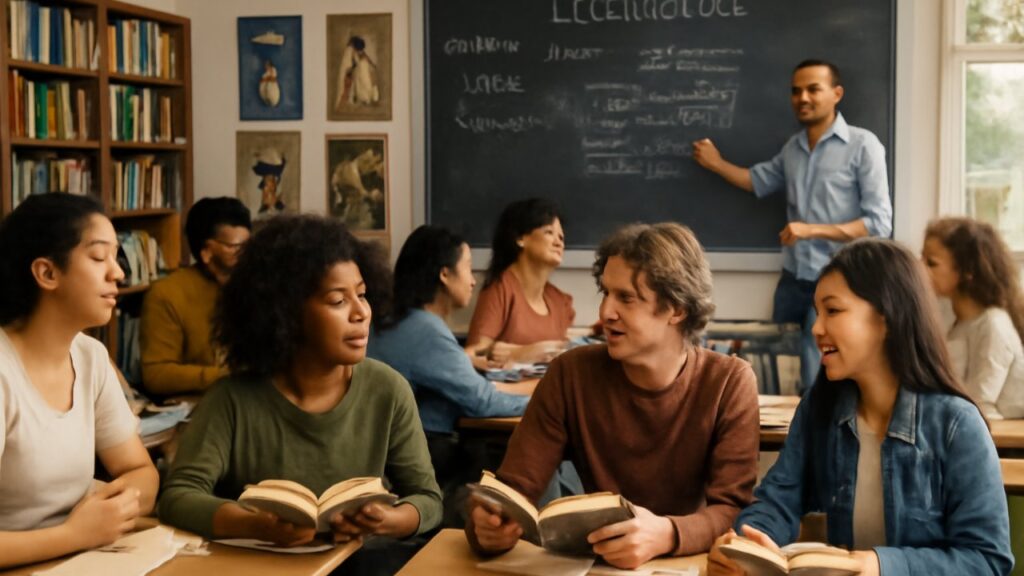
The curriculum update is already showing its impact in schools across the country. Literature teachers report that students are increasingly motivated to participate in class discussions when analyzing Greene’s characters and themes. Works like “The Quiet American” allow students to critically explore colonial legacies and ethical dilemmas, which align closely with South Africa’s own history and transformation journey. Moreover, this fresh update in literature studies enhances the overall reading culture, inspiring learners to appreciate the connections between global literature and their local realities. Such exposure supports the national vision of education as a means to foster active citizenship, creativity, and social cohesion (source). By challenging young readers to reflect on moral complexities, the curriculum nurtures empathy and cultivates the skills required for thoughtful participation in democratic life.

Broader Significance of Literature Curriculum Updates
Curriculum reforms in literature are not limited to introducing new authors; they also signal a broader shift in educational philosophy. By including Graham Greene alongside other international voices, South Africa’s Department of Basic Education is acknowledging the importance of equipping students with perspectives that extend beyond local boundaries. This aligns with UNESCO’s vision of education as a pathway toward intercultural dialogue and sustainable development (source). Students who engage with Greene’s works are better prepared to understand global issues such as war, human rights, and ethical conflicts. At the same time, they are encouraged to draw parallels with South African literature, creating a dynamic space where international and local narratives can coexist, challenge, and enrich one another. Such an approach ensures that literature remains a powerful medium for shaping socially conscious and critically aware citizens.

Future Prospects for Literature in South Africa
Looking ahead, the inclusion of Graham Greene’s works sets the stage for further expansion and innovation in the South African literature curriculum. Schools and universities are likely to integrate comparative studies that bring Greene into dialogue with African writers such as Chinua Achebe and Nadine Gordimer, thereby deepening students’ understanding of shared themes across continents. The emphasis on global literature not only enriches academic achievement but also strengthens cultural identity by showing students that their stories can stand alongside the world’s best. Additionally, the rise of digital learning platforms ensures broader access to Greene’s works, enabling students to read, analyze, and engage with these texts more interactively (source). As enthusiasm grows, the “Graham Greene fever” in South Africa is expected to inspire a new generation of learners who are not just readers of literature but also thoughtful interpreters of human experience.
