SA TikTok Trend – The word ‘demure’ has recently taken social media, especially TikTok South Africa, by storm—sparking a viral trend that has led to a massive surge in Google searches. As South African TikTokers playfully experiment with vintage vocabulary, ‘demure’ has suddenly become a buzzword. Traditionally, the word refers to someone who is modest, reserved, or shy in appearance or behavior. However, in the context of the trend, it’s being used humorously, with creators adding dramatic flair to simple outfits or gestures and captioning them as “demure vibes.” This playful reinterpretation is both a nod to old-school charm and a satire of performative modesty in the digital age. The trend demonstrates how Gen Z and Millennials continue to reshape language through online platforms. With TikTok driving so much of today’s cultural conversation, it’s no surprise that a single word can explode into the mainstream. The rise of ‘demure’ in search queries reflects the growing influence of TikTok trends on language, fashion, and behavior.
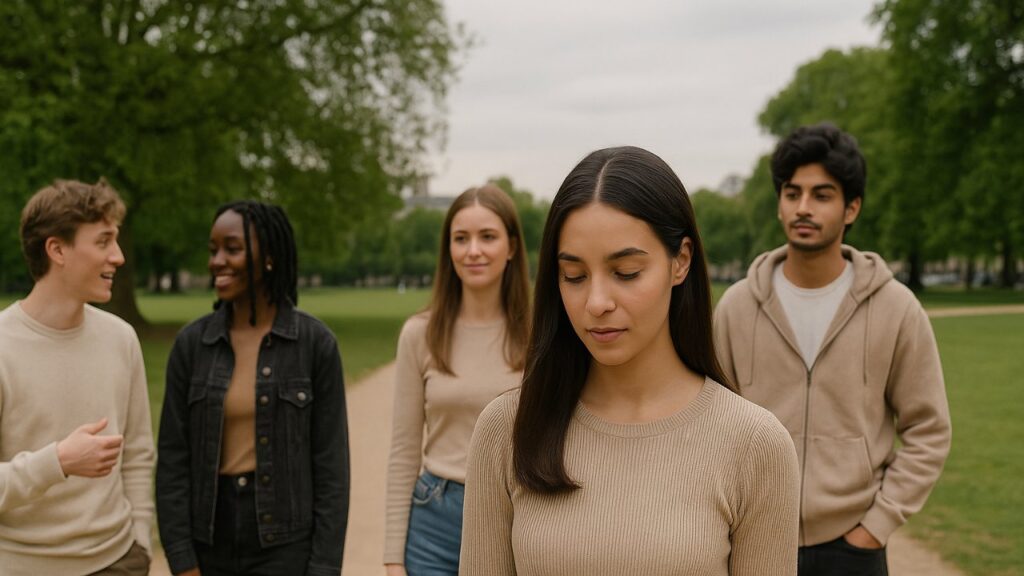

What Does ‘Demure’ Actually Mean in Traditional English?
In its classical sense, the word ‘demure’ is defined as a quality of being reserved, modest, and shy—especially in women. According to Merriam-Webster, it has historically described a woman who displays quiet elegance, seriousness, or modesty. In literature and older media, ‘demure’ was often associated with virtue and politeness, particularly in contrast to flamboyant or outspoken behavior. This usage reflected older societal norms, where women were praised for being soft-spoken and well-mannered. The tone of ‘demure’ implies a certain gentleness and grace, often with a subtle, understated charm. While it may seem outdated in some contexts today, the resurgence of the word through TikTok shows how young users are breathing new life into vintage vocabulary. It is fascinating to witness how the digital generation is not just creating new slang but also reviving classical terms in ironic or stylized ways.

How TikTok Turned ‘Demure’ Into a Viral Hashtag
TikTok’s power to redefine language and trends cannot be overstated. The South African TikTok community embraced ‘demure’ in a humorous, exaggerated manner. Videos often show creators dressing in conservative outfits, acting overly shy, or sipping tea quietly—all while the caption reads “Feeling demure today.” This dramatic satire of the word’s meaning has caught on widely. As reported by BBC Culture, this generation frequently uses irony to reframe words and their implications. Instead of mocking the word, the trend embraces it with a modern twist. The ‘demure’ aesthetic now aligns with quiet luxury, vintage fashion, and minimalist content creation. It’s not only an internet joke but a style statement. This is part of a broader phenomenon where classical words get revitalized online for creative and cultural expression—further proving that TikTok is reshaping not just entertainment, but also language and identity.

Impact on Google Searches and Online Curiosity
Following the TikTok boom, the word ‘demure’ climbed rapidly on South Africa’s trending Google search list. According to Google Trends, searches for the word spiked in early September 2025, aligning with the peak of the TikTok trend. People curious about its meaning, pronunciation, and usage flooded the search engine, eager to decode the word behind the viral videos. This shows how social media doesn’t just drive entertainment—it directly impacts educational behavior and vocabulary expansion. Even schools and language educators are beginning to notice this shift, as students are more engaged when learning through socially relevant content. TikTok is thus acting as an indirect language-learning platform, prompting spontaneous interest in English vocabulary. The ‘demure’ trend stands as a great example of how digital culture drives curiosity about words that were once considered too academic or outdated for casual conversation.

Will the Trend Last or Is It Just a Passing Fad?
While most viral trends tend to fade quickly, ‘demure’ has tapped into a deeper cultural moment. With ongoing interest in soft aesthetics, modest fashion, and emotional intelligence, the concept of being ‘demure’ may find a lasting place in modern vernacular. However, its usage may remain limited to stylistic or ironic contexts. The real question is whether such classical words can transition from meme-status to everyday vocabulary. The fact that a single TikTok trend can inspire national search spikes shows how powerful the digital ecosystem is in shaping language evolution. As South African creators continue to blend humor, identity, and style into their content, words like ‘demure’ may find recurring relevance. Educators, linguists, and content creators are watching closely. Whether fleeting or foundational, the ‘demure’ trend proves that in the age of TikTok, even the quietest words can make the loudest noise online.