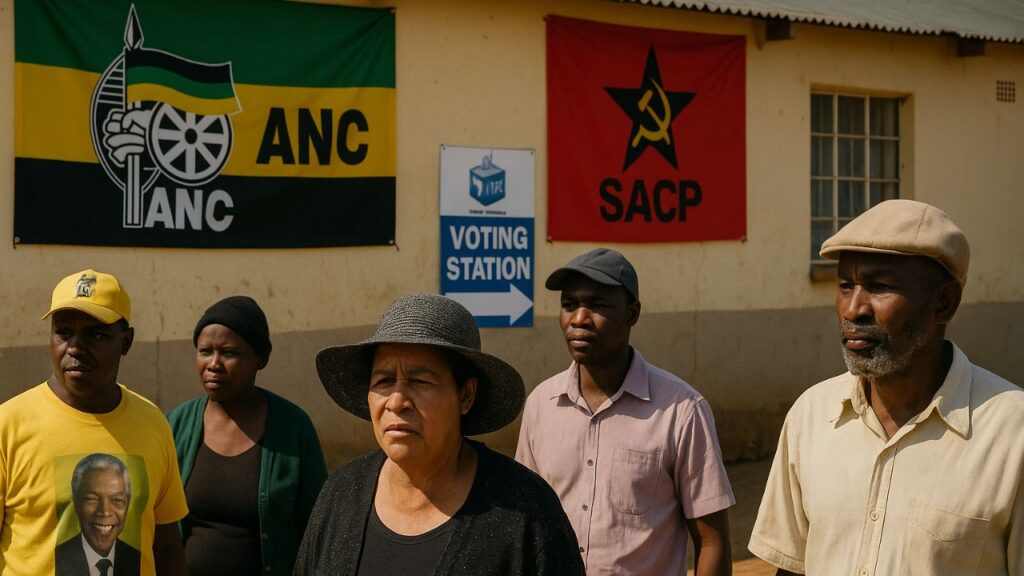
SACP Underperforms – The recent by-elections in Limpopo have sent shockwaves through South Africa’s political landscape, challenging the longstanding dominance of the African National Congress (ANC) in the region. Historically, Limpopo has been considered a stronghold for the ANC, consistently delivering overwhelming support in both national and provincial elections. However, preliminary results from the latest by-elections indicate a significant decline in voter turnout for the ruling party, coupled with noticeable gains for opposition parties such as the Economic Freedom Fighters (EFF) and smaller regional political movements. Analysts attribute this shift to growing public dissatisfaction with governance issues, service delivery challenges, and internal party conflicts. Additionally, the South African Communist Party (SACP), traditionally aligned with the ANC through the tripartite alliance, has underperformed, failing to mobilize its base effectively. This unexpected performance raises questions about alliance dynamics, voter loyalty, and the changing political sentiments in Limpopo. For detailed election analysis and historical voting patterns, see Electoral Commission of South Africa (IEC) and News24 Politics.
 Major Pan-African Financial Group Partners with UPAY’s ACPAS to Launch Digital Lending in SA
Declining ANC Influence and Regional Political Shifts
The ANC’s performance in Limpopo reflects a broader trend of declining influence in certain stronghold areas. Voter fatigue, allegations of corruption, and unmet public service promises have contributed to a sense of disillusionment among constituents. In the recent by-elections, opposition parties effectively capitalized on these sentiments, with the EFF demonstrating strong grassroots campaigning and engagement with young voters. Additionally, local political organizations focused on community-specific issues, such as water supply, electricity, and education, managed to attract considerable attention and support. Political analysts suggest that if the ANC fails to address governance shortcomings and rejuvenate its connection with voters, the party could experience further erosion of its traditional base in Limpopo. For ongoing political developments and in-depth reports on party performance, visit TimesLIVE Politics and IOL Politics.

SACP’s Underperformance and Implications for the Alliance
The SACP’s underwhelming results in Limpopo by-elections have raised alarm within the tripartite alliance, which includes the ANC and Congress of South African Trade Unions (COSATU). Historically, the SACP has played a critical role in mobilizing support for the ANC, especially in rural areas and among working-class communities. However, recent trends indicate declining influence and voter engagement for the SACP, partly due to perceived inactivity and lack of visibility on pressing socio-economic issues. The underperformance poses strategic questions for the alliance, particularly concerning coordinated campaign efforts, messaging, and policy prioritization. Analysts argue that the SACP must strengthen its grassroots presence, effectively communicate its role in governance, and re-establish credibility among voters to maintain relevance within the political coalition. For insights into SACP strategy and political positioning, see South African Communist Party Official Site and BizNews Politics.

Voter Sentiment and Key Issues Influencing Results
The Limpopo by-elections have highlighted significant voter concerns that influenced election outcomes. Key issues include inadequate service delivery, rising unemployment, insufficient access to quality healthcare and education, and ongoing infrastructure challenges. Many residents expressed frustration over electricity outages, water scarcity, and slow local government responses, which contributed to decreased voter confidence in the ruling party. Opposition parties successfully leveraged these issues, presenting themselves as alternatives capable of addressing community-specific problems. Political analysts emphasize that understanding these voter sentiments is crucial for parties aiming to regain or consolidate support in the region. Additionally, demographic shifts, including a growing youth population with increasing digital engagement, are reshaping traditional voting patterns. For detailed voter behavior analysis, refer to PoliticsWeb and Mail & Guardian Politics.

Future Implications for Limpopo Politics and the National Scene
The by-elections’ outcomes could have profound implications for Limpopo and South Africa’s national political landscape. A continued decline in ANC dominance may embolden opposition parties, encourage political realignments, and catalyze debates about governance accountability and policy reform. For the SACP, poor electoral performance signals an urgent need to reassess its strategies and re-engage with its traditional support base. Moreover, these shifts may influence upcoming local government elections, parliamentary contests, and strategic decisions within the tripartite alliance. Political commentators argue that parties that adapt to voter expectations, address core socio-economic issues, and leverage technology for engagement are more likely to achieve sustainable success in the evolving Limpopo political environment. For national electoral projections and expert commentary, see Fin24 Elections and The Guardian – South Africa Politics.