
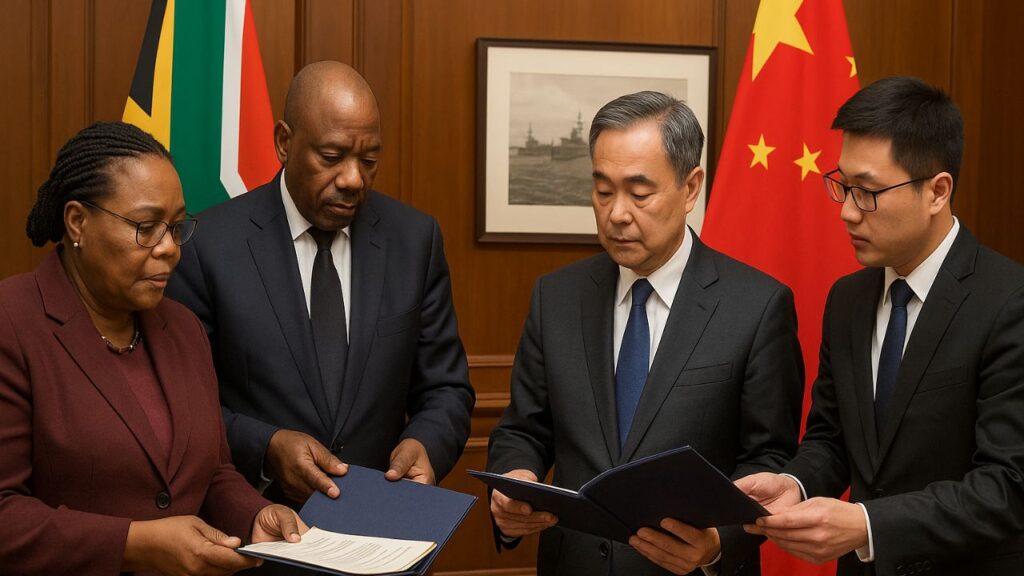
Security Concerns – South Africa has formally requested China to postpone its scheduled naval exercises in the Indian Ocean as the G20 Summit approaches, citing regional security concerns and the need to ensure a stable environment for international leaders. The move reflects South Africa’s strategic role as a key host and participant in global diplomatic engagements. Analysts suggest that the request aims to minimize potential maritime tensions and maintain the safety of naval and commercial shipping lanes during the summit period. According to reports from Reuters Africa, South Africa’s Department of Defence is closely coordinating with international partners to ensure that maritime activities are carefully monitored. The South African government emphasizes that while bilateral relations with China remain strong, proactive measures are necessary to uphold the country’s security obligations and provide a safe, distraction-free environment for high-level diplomatic discussions, which will host world leaders discussing global economic, health, and security policies. This approach also highlights South Africa’s commitment to balancing regional cooperation with international diplomatic responsibilities.

Strategic Importance of the Indian Ocean and Maritime Security
The Indian Ocean plays a vital role in global trade and strategic security, with major shipping routes connecting Africa, Asia, and Europe. According to International Institute for Strategic Studies, ensuring unimpeded maritime navigation and minimizing potential conflicts is crucial, especially during significant international events like the G20 Summit. South Africa’s request to China reflects the importance of maintaining regional stability and preventing incidents that could disrupt global commerce or diplomatic activities. Naval drills, while routine, can escalate tensions if scheduled during sensitive periods or near major trade corridors. By negotiating a temporary delay, South Africa demonstrates proactive leadership in maritime security, ensuring the Indian Ocean remains a safe and secure environment for both military and civilian maritime traffic. Additionally, this measure reassures international partners, summit participants, and neighboring countries that potential risks are being actively managed, reflecting a sophisticated understanding of geopolitics and regional diplomacy.
 South African Crypto Integration Boost: Alchemy Pay Adds Rand Support for Direct Bank Transfers
Diplomatic Engagement and Global Implications
South Africa’s engagement with China regarding the delay in naval exercises underscores its diplomatic acumen and commitment to global cooperation. The decision highlights the delicate balance nations must maintain between domestic security priorities and international relations. Experts from Council on Foreign Relations note that such negotiations are essential to prevent misunderstandings and maintain constructive dialogue among major powers. This move also signals to other G20 members that South Africa is capable of facilitating a stable and secure environment for high-level negotiations. By coordinating with China and other regional stakeholders, South Africa positions itself as a responsible host capable of mitigating potential disruptions while fostering collaboration on issues such as trade, climate change, and security. Furthermore, the decision may set a precedent for future international events, emphasizing the importance of strategic diplomacy in balancing national interests with global responsibilities.

Security Measures and Risk Mitigation
In preparation for the G20 Summit, South African authorities are implementing a series of security protocols aimed at ensuring the safety of delegates, attendees, and the broader population. The request to delay Chinese naval drills is part of a comprehensive risk mitigation strategy, including enhanced maritime surveillance, increased naval patrols, and coordination with allied naval forces. According to Africanews, these measures are intended to prevent any accidental incidents or misunderstandings in critical maritime zones during the summit. The Department of Defence and related agencies are also working closely with international security experts to identify and neutralize potential threats, ranging from unauthorized naval maneuvers to cyberattacks targeting critical infrastructure. By taking proactive steps, South Africa not only secures the immediate environment for the G20 but also reinforces its reputation as a capable regional security coordinator and a reliable partner in international diplomacy.

Impact on Regional Diplomacy and International Perception
South Africa’s proactive stance in requesting the postponement of naval drills is expected to have a positive impact on its diplomatic standing and international perception. Analysts at Brookings Institution emphasize that demonstrating the ability to manage complex security issues effectively enhances credibility among global partners. The decision also strengthens South Africa’s role as a mediator and facilitator in regional conflicts, signaling that the country can balance strong bilateral ties with China while safeguarding regional and global interests. Additionally, the move contributes to broader discussions on responsible maritime conduct, regional stability, and the importance of international norms. By successfully coordinating with China and ensuring minimal disruption during the G20 Summit, South Africa reinforces its strategic significance on the global stage while promoting a culture of collaborative security, diplomatic prudence, and proactive engagement in international affairs.


