
South Africa Court Ruling – South Africa’s legal system made headlines this month with a groundbreaking court decision allowing men to adopt their wives’ surnames after marriage. Traditionally, South African men have faced significant bureaucratic obstacles if they wished to take their spouse’s last name — a process often viewed as one-sided in favor of women. But now, this ruling marks a significant shift toward gender equality in marital name laws. Social media platforms, especially YouTube South Africa and TikTok, have exploded with reactions, with many praising the decision as a victory for progressive thinking and gender inclusivity. This judgment not only breaks away from patriarchal naming customs but also enables couples to redefine identity together. The decision is seen as aligning South African family laws with more equitable global practices and is widely shared under trending hashtags like #GenderEqualitySA and #NameChangeRights. The viral nature of this ruling speaks volumes about public support and rising awareness of gender rights in modern South Africa.
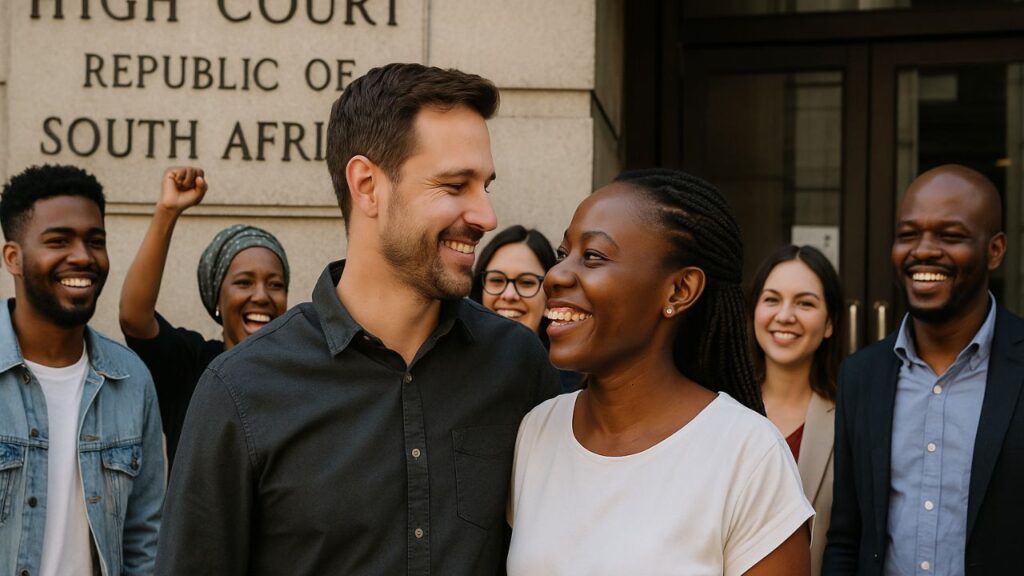

Historic Court Decision Promotes Gender Neutrality in Marriages
South Africa’s Department of Home Affairs has long required men to undergo complex legal procedures to change their surname to that of their wives. According to recent coverage by News24, this legal change removes outdated red tape and provides equal name-change rights for all genders. Legal experts are calling this a progressive step towards dismantling patriarchal norms embedded in marriage laws. Couples now have the legal right to choose whose surname to use, regardless of gender — a change that can positively affect blended families, same-sex marriages, and partners who want to honor the wife’s legacy. Many citizens have praised the court for respecting freedom of choice in marital traditions, seeing it as an overdue correction of inequality in the legal system. This aligns with a broader global trend of governments reviewing gender-biased statutes in family law and identity documentation.

Online Buzz and Cultural Reactions on YouTube and TikTok
The court’s ruling has triggered a massive wave of conversations on platforms like YouTube South Africa, where influencers and legal experts have uploaded commentary videos dissecting the implications. Several popular creators have framed the decision as a long-awaited recognition of equal partnership in marriage, while others explore how this may reshape family identities in diverse cultural contexts. The topic also trended on Twitter and TikTok, where younger audiences celebrated the court’s decision as a “win for modern love.” Some men have even documented their journey of changing their surname as part of wedding vlogs and awareness campaigns. The viral content not only spreads legal awareness but also helps normalize the idea that men embracing their wives’ surnames is no longer taboo. As digital platforms continue amplifying the conversation, this ruling may influence broader public opinion and social acceptance of changing naming conventions.

Legal Impact on Home Affairs and Documentation Procedures
The Department of Home Affairs will need to implement procedural updates to accommodate this ruling. Previously, men seeking a surname change had to submit affidavits, motivational letters, and face long delays. Now, the simplified process will likely mirror the ease with which women take their husband’s name — a shift that promotes equal administrative rights. The South African government has not yet released an official revised form for male surname changes, but legal analysts expect changes to the Births and Deaths Registration Act and identity documents system soon. Civil society groups like Gender Dynamix and Sonke Gender Justice have applauded the judiciary for recognizing how law and identity intersect with gender roles. They argue that bureaucratic reform is a crucial next step in ensuring that the court’s decision becomes practically accessible for all South Africans who wish to take advantage of this progressive shift.

Broader Implications for Gender Equality Movements in South Africa
This court ruling also fits within a wider legal and cultural movement aiming to promote gender equity across institutions. Advocates are hopeful that this progressive legal shift will inspire more inclusive policies in other areas — such as shared parental leave, equal pay frameworks, and LGBTQIA+ marital recognition. South Africa, while having one of the most inclusive constitutions in the world, still wrestles with societal norms that favor traditional gender roles. As more citizens challenge these conventions, legal reforms like this surname ruling become symbolic and strategic victories. According to a report from Al Jazeera, public opinion is shifting fast, especially among urban and educated youth who see marriage as a partnership, not a hierarchy. The viral reaction on social media platforms reflects this generational change and adds momentum to South Africa’s ongoing journey toward genuine equality in law and culture.


