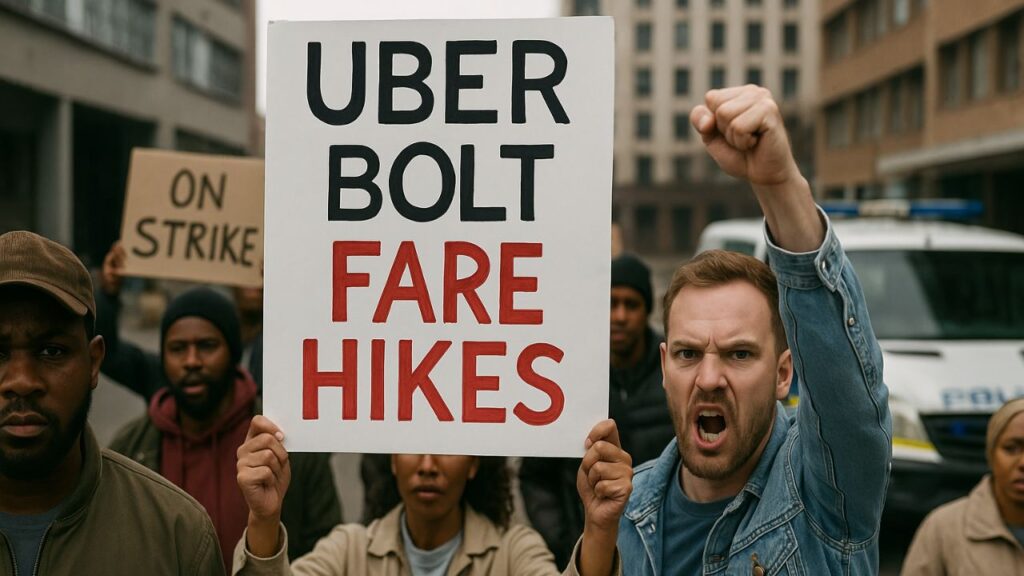
Taxi Strike – The recent taxi strike in the Durban region has caused significant disruption to public transportation, prompting Uber and Bolt to increase fares substantially. Commuters have expressed frustration over sudden surge pricing, which has made daily travel more expensive for residents who rely heavily on ride-hailing services. Many argue that the fare hikes exploit the situation caused by the strike, forcing people to pay inflated prices for essential travel. According to News24 – Durban Taxi Strike Impact, thousands of daily commuters were affected, leading to long waiting times and overcrowding in alternative transport options. While Uber and Bolt justify the fare increases as a response to higher demand and limited driver availability, consumer advocates have criticized the approach, calling for regulation and transparency in dynamic pricing. The strike has highlighted the vulnerability of commuters to both labor disputes and private sector price adjustments, fueling debates about sustainable urban transportation and fair pricing policies.
 Major Pan-African Financial Group Partners with UPAY’s ACPAS to Launch Digital Lending in SA
Impact on Daily Commuters and Local Economy
The taxi strike and subsequent fare hikes by ride-hailing platforms have had a direct impact on the daily lives of Durban residents. Many commuters, including students, workers, and elderly citizens, faced increased transportation costs and difficulty reaching schools, workplaces, and essential services. According to IOL – Durban Transport Chaos, some commuters reported waiting over an hour for rides, while others had to walk long distances due to unavailable taxis or prohibitively expensive Uber and Bolt fares. Local businesses also experienced reduced foot traffic, affecting sales and operations. The situation underscores the need for reliable, affordable, and equitable transport infrastructure in urban areas. Public sentiment is increasingly pushing for government intervention to ensure that transport disruptions do not disproportionately burden the community, particularly the most vulnerable segments.

Uber and Bolt’s Response and Fare Policies
Uber and Bolt have defended their surge pricing policies as a necessary measure to incentivize drivers during high-demand periods. Surge pricing is designed to balance supply and demand, encouraging more drivers to operate in affected areas, but critics argue that these measures lack transparency and disproportionately affect low-income passengers. According to TechCentral – Ride-Hailing Surge Pricing Criticism, both companies maintain that fare adjustments during strikes are temporary and intended to maintain service availability, but ongoing dissatisfaction among commuters suggests a need for better communication and consumer protections. Analysts note that while dynamic pricing is common globally, it must be carefully regulated in contexts where transportation is an essential service rather than a discretionary choice, to avoid public backlash and economic strain on everyday users.

Regulatory Concerns and Calls for Government Intervention
The fare hikes amid the Durban taxi strike have reignited discussions about regulation of ride-hailing services in South Africa. Consumer advocacy groups and transport authorities are calling for stricter oversight to prevent exploitative pricing practices during emergencies or labor disputes. According to BusinessTech – Regulation of Ride-Hailing Services, there are ongoing debates about the need for legal frameworks that ensure fair fare structures while allowing companies to respond to market dynamics. Potential measures include capping surge rates, providing subsidies during crises, or mandating minimum service availability. Regulatory clarity is essential to protect commuters while maintaining a viable business model for ride-hailing companies.

Long-Term Implications for Urban Transport in Durban
The combination of taxi strikes and ride-hailing fare hikes highlights structural challenges in Durban’s urban transport ecosystem. Overreliance on informal taxi services and private app-based platforms exposes commuters to price volatility and service disruptions. According to South African Trends – Urban Mobility Challenges, long-term solutions include integrating formalized public transport systems with digital ride-hailing platforms, investing in affordable and accessible transport alternatives, and implementing clear regulatory policies. By addressing these structural issues, Durban can reduce the negative impact of strikes, fare surges, and service interruptions, ensuring more resilient, fair, and efficient urban mobility for all residents.